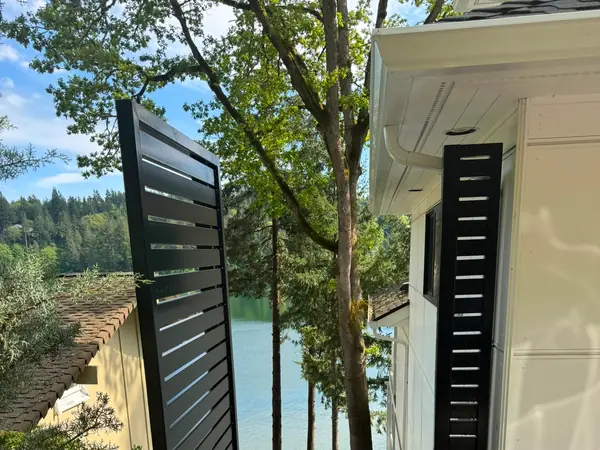
Custom Driveway & Yard Gates in Portland & Vancouver

A gate is the part of the fence you touch every day, and the first part to fail when it's built cheap. We build wood, iron, and vinyl gates that are framed, braced, and hung to swing true for years, from garden gates to full driveway entries.

Why gates fail, and how we build them

Gates sag because they're built like fence panels, but a gate has to move, carrying its own weight on two hinges. Ours get rigid frames, diagonal bracing or steel gate frames under wood cladding, oversized posts set deeper than fence posts, and hinges rated well past the gate's weight. That's the whole secret: build the gate like it matters.

Gates we build

  • Cedar and wood gates matched to your fence style
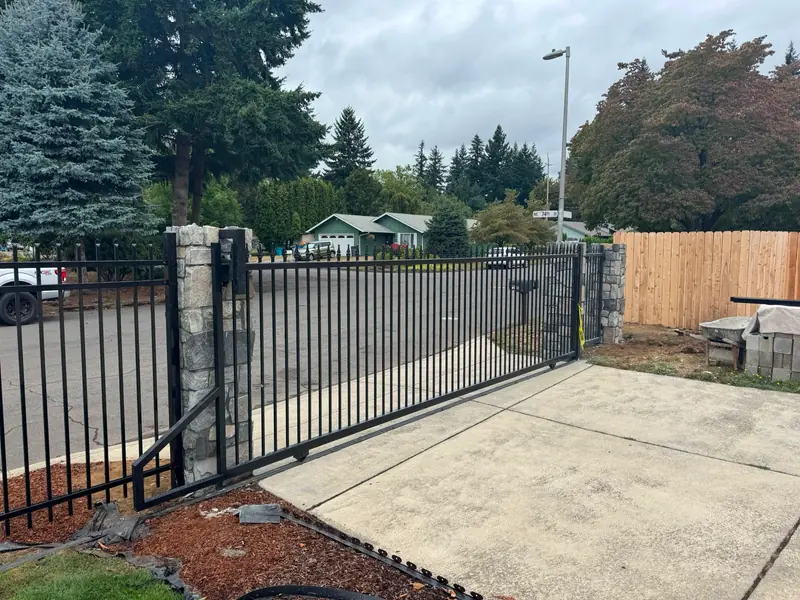
  • Single and double driveway gates in wood, steel, or aluminum
  • Ornamental iron walk gates and estate-style entries
  • Vinyl gates with steel-reinforced frames
  • RV and side-access gates with removable posts where needed

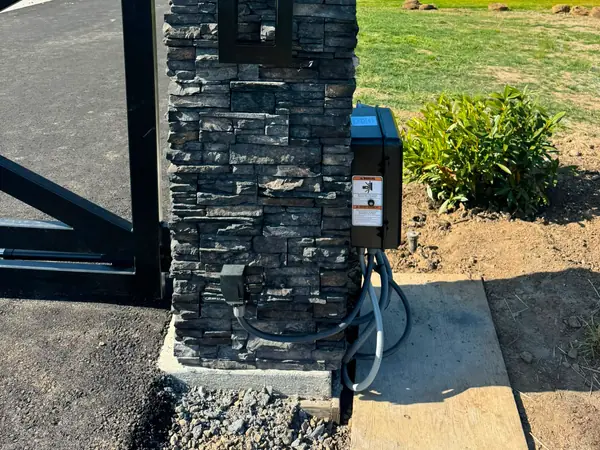
Ready for automation, even if you're not yet

If there's any chance you'll want your driveway gate automated later, tell us now. We'll size the posts, set the hardware, and run conduit so an opener drops in later without rebuilding the entry. It costs almost nothing during construction and saves a lot after.
Good to know

Custom Driveway & Yard Gates: common questions

Can you build a gate to match my existing fence?

Yes. Matching an existing fence's boards, height, and stain is routine work. We rebuild sagging gates on existing fences constantly.

How wide can a swing gate be?

Single swing gates work well up to about 6 feet; driveways typically use double gates up to 16+ feet combined, or a slide gate where space or slope makes swinging impractical.

What's better for a driveway: swing or sliding gate?

Swing gates are simpler and cheaper if you have flat ground and room for the arc. Sliding gates win on slopes, short driveways, and where snow or gravel would block a swing path. We'll recommend based on your entry, not our convenience.

Do you install gate locks and latches?

Yes, everything from heavy-duty latches and drop rods to keyed locks, keypads, and panic hardware on commercial gates.

What hinges and hardware should a heavy gate have?

Heavy gates want ball-bearing or adjustable J-bolt hinges sized with margin above the load, not the strap hinges sold for shed doors. On double driveway gates we add a drop rod that pins the standing leaf into the ground, plus cane bolts to hold leaves open on windy days. Hardware is a small share of the cost and decides how long the gate swings true.

What is a wood-clad steel frame gate?

It's a welded steel frame with cedar boards fastened over it, so the gate matches your wood fence while carrying its weight on a skeleton that can't sag or twist. Wood-framed gates rely on diagonal bracing and eventually rack under their own load. For wide or heavy openings, and any gate you might automate, the steel frame is the build we push for.

Should my gate swing into the yard or out toward the street?

Inward is the default: it's what visitors expect, pool codes require gates that swing away from the water, and an inswing driveway gate won't clip a car waiting at the curb. We go outswing when the yard slopes up behind the gate or something fixed blocks the arc. We'll check grade and clearance at the site visit before settling it.

Ready for a straight quote?

Free estimates across the Portland and Vancouver metro. Tell us what you’re picturing and we’ll price it honestly.