Farm & Ranch Fencing in Portland & Vancouver

Acreage north of Battle Ground, pasture outside Oregon City, a few horses in Ridgefield: larger properties need fencing measured in the hundreds of feet, built to hold livestock and survive equipment, weather, and time. That's a different trade than backyard fencing, and we do both.

Fencing that matches the animal and the acreage

Horses need smooth, visible fencing that won't trap a hoof: no-climb mesh with a top rail, or post-and-rail. Cattle take field fence or high-tensile wire. Goats test everything, so we build accordingly. Tell us what you're keeping in (or out, since deer and coyotes count) and we'll spec the right system instead of the most expensive one.

Farm fencing we install

  • Post-and-rail (2, 3, and 4 rail) in wood or vinyl
  • No-climb horse fence with wood or steel posts
  • Woven-wire field fence for mixed livestock
  • High-tensile and hot-wire systems
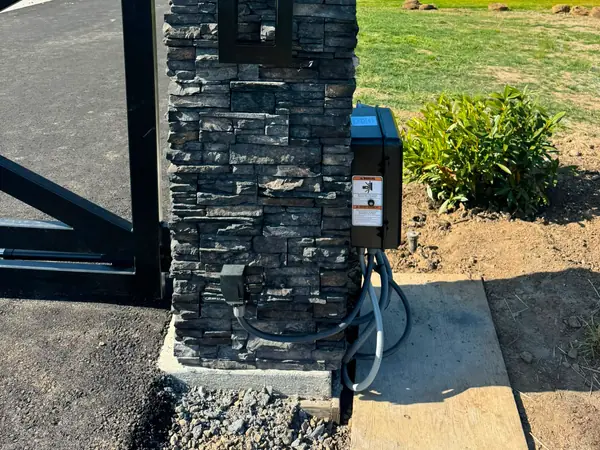
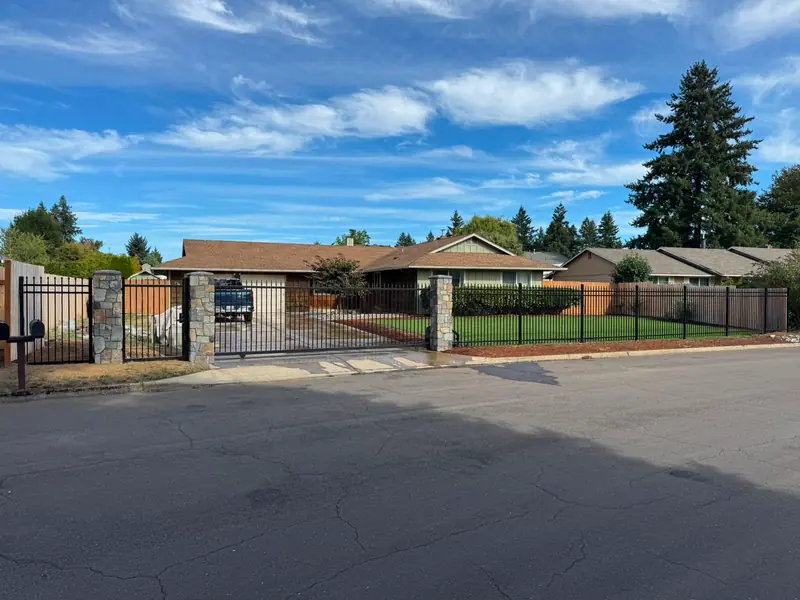
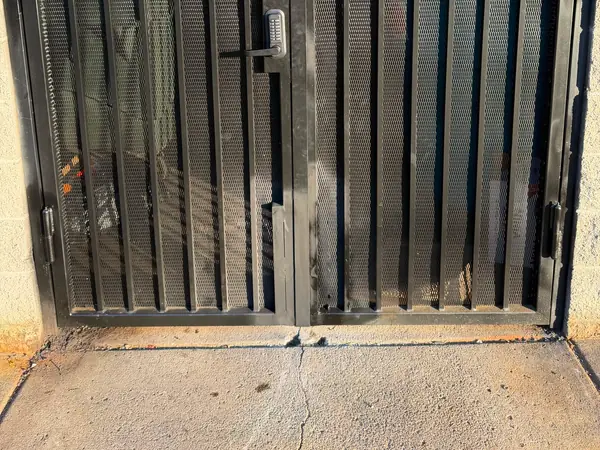
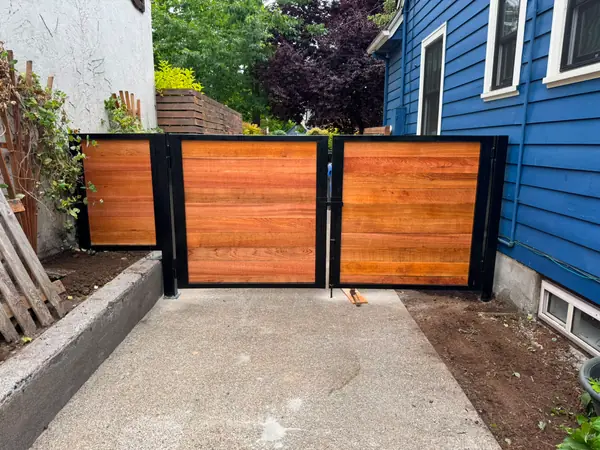
  • Farm and ranch entry gates, up to full automatic operators

Long runs, straight lines, honest per-foot pricing

On acreage jobs the economics change: per-foot price matters more than anything, and so does a crew that can set a straight quarter-mile of posts. We price long runs accordingly and put the whole thing in writing: footage, gate count, materials, and timeline.
Good to know

Farm & Ranch Fencing: common questions

What's the best fence for horses?

No-climb woven mesh with a top rail is the safest all-around choice: visible, smooth, and forgiving. Post-and-rail looks classic but pairs best with a mesh or hot-wire backup for horses that lean and chew.

Do you fence full perimeters on acreage?

Yes. Long-run perimeter work is a core part of our farm fencing, and we regularly quote projects measured in the hundreds or thousands of feet across Clark County and rural Clackamas County.

Wood or steel posts for field fence?

Pressure-treated wood posts with steel T-posts between is the standard cost-effective pattern. Corners and gate posts are always wood or heavy steel, braced properly, because that's where fence tension lives.

Can you automate a ranch entry gate?

Yes. We build farm entry gates and install solar-capable automatic openers, which matter on long driveways where trenching power isn't practical.

How far apart should posts be for field fence?

Wood posts with woven-wire field fence typically go 12 to 16 feet apart on flat ground, or an alternating pattern of wood posts with steel T-posts between them at closer intervals. Dips, rises, and animal pressure points want tighter spacing. Braced corners carry the tension; line posts mostly hold the wire at height, which is why the corners get the heavy lumber.

What is an H-brace and why do corners need one?

An H-brace is two posts connected by a horizontal rail and a diagonal brace wire, forming the anchor that resists hundreds of pounds of fence pull. Without it, corner posts lean inward within a season or two and the whole run slackens. We build them in wood or heavy steel, and either serves well when sized and set correctly.

Should I add an electric offset wire for livestock?

Often, yes. A single hot wire offset inside the fence teaches animals to stay off it, and animal contact is what kills most farm fences: cattle rubbing, horses leaning, goats climbing. It's inexpensive protection for the fence you already paid for. We install offset brackets and chargers, including solar units for pastures without nearby power.

Ready for a straight quote?

Free estimates across the Portland and Vancouver metro. Tell us what you’re picturing and we’ll price it honestly.